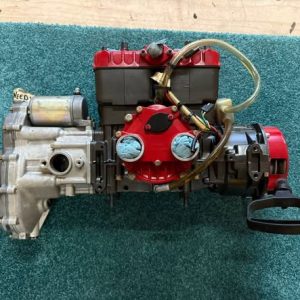
The Rotax 582 “Blue Head” RAVE Engine – Built by Rotax Rick provides a commercially attractive engine option for buyers seeking lightweight aviation power with a documented builder, verified configuration, and suitable supporting components.
Whether buyers search for a Rotax 582 Blue Head, Rotax 582 Blue Head RAVE Engine, or Rotax 582 Aircraft Engine, condition and installation suitability should guide the purchase.
A Rotax 582 Two-Stroke Engine may serve as a Rotax 582 Ultralight Engine or Rotax 582 Aviation Engine when its gearbox, cooling, exhaust, fuel, ignition, and mounting systems match the intended aircraft.
A Rotax Blue Head Engine, Liquid-Cooled Aircraft Engine, Two-Cylinder Aircraft Engine, and Lightweight Aircraft Engine may provide practical value for aircraft requiring compact power and reduced installed weight.
These keywords support relevant SEO while preserving responsible guidance for aviation engine selection.
Key Details of the Blue Head Powerplant
Complete identification helps buyers compare the engine with their aircraft and reduces unsuitable purchases.
The buyer should determine whether the engine was rebuilt from a complete core, assembled from mixed components, upgraded from another configuration, or built using new and used parts.
Documenting the Engine Build Process
The builder’s name alone should not replace a detailed review of internal specifications, clearances, service information, and operating history.
The records should explain whether the work included a complete rebuild, top-end service, crankshaft replacement, seal replacement, gearbox service, carburetor work, ignition inspection, or another defined scope.
Inspecting the RAVE Components
Detailed inspection supports responsible evaluation of the Rotax 582 Blue Head RAVE Engine.
Replacement parts should match the specific engine configuration rather than being selected through appearance alone.
Managing Two-Stroke Aviation Requirements
A two-stroke aircraft engine produces power through a compact operating cycle that can deliver a strong power-to-weight ratio for suitable light-aircraft applications.
The buyer should determine whether the engine uses oil injection, premixed fuel, or another documented lubrication arrangement.
Maintaining a Liquid-Cooled Aircraft Engine
Cooling performance depends on the radiator, coolant pump, hoses, clamps, fittings, expansion tank, thermostat where installed, coolant condition, and airflow.
Coolant hoses should remain flexible, secure, correctly routed, and protected from heat, abrasion, sharp edges, and moving components.
Understanding the Rotax 582 Internal Layout
Cylinder walls, pistons, rings, bearings, seals, and crankshaft condition should be documented when the engine build allows inspection records.
Compression or other condition tests should be interpreted according to the engine’s configuration, temperature, build status, and suitable technical procedures.
Carburetor Synchronization and Mixture
Incorrect synchronization can contribute to uneven operation, vibration, poor response, or cylinder-to-cylinder differences.
Carburetor settings should correspond with the engine configuration, intake system, exhaust, altitude, climate, and applicable technical guidance.
Understanding Rotax 582 Ignition Redundancy
The presence of dual ignition does not remove the need for regular testing and maintenance.
Spark-plug appearance can provide useful information about combustion, mixture, oil, and cylinder condition when interpreted correctly.
Selecting a Compatible Propeller System
Complete engine, gearbox, and propeller evaluation supports a more suitable installation.
Improper propeller loading can affect both engine and gearbox condition.
Maintaining Exhaust Connections and Supports
Accurate exhaust information helps determine the true installation cost.
Professional exhaust installation supports more consistent Rotax 582 Two-Stroke Engine operation.
Lightweight Aircraft Engine Advantages
Accurate weight information supports responsible aircraft planning.
Updated weight-and-balance information may be required after installation changes.
Matching the Rotax to the Airframe
The Rotax 582 may be considered for ultralights, experimental aircraft, gyrocopters, trikes, powered parachutes, amphibious projects, and other compatible recreational aircraft.
Every custom component should be designed and installed with appropriate clearances, strength, support, and maintainability.
Light Sport Aircraft Engine Considerations
Engine condition and aircraft eligibility are separate considerations.
The installation should address fuel, cooling, ignition, exhaust, gearbox, propeller, instruments, controls, and emergency procedures.
Documenting Time Since Build
A low-hour statement should be supported by logs, invoices, tachometer records, builder documents, or other credible evidence.
Maintenance records should include inspections, carburetor work, ignition service, cooling-system maintenance, gearbox service, hose replacement, seal work, and any engine-removal events.
Documenting Start and Operating Behavior
Detailed run information provides stronger evidence than a general runs-good claim.
Safety zones and trained personnel are essential during testing.
Inspecting Rotax 582 Engine Health
A single measurement should not replace a complete review of operating history, internal parts, build records, and run behavior.
Professional inspection protects buyers from relying solely on external appearance.
Rotax Aviation Engine Condition Checklist
A detailed review reduces unsuitable purchases and unexpected installation expenses.
- Request detailed photographs of all identification markings, cylinder heads, crankcase, carburetors, ignition components, gearbox, exhaust ports, coolant fittings, starter, and included accessories.
- Review documentation for crankshaft replacement, bearings, seals, pistons, rings, cylinders, RAVE service, carburetor work, ignition inspection, gearbox maintenance, and run testing.
- Retain purchase records, build sheets, photographs, serial information, run-test data, maintenance documents, and shipping records with the aircraft project file.
Protecting an Aircraft Engine in Transit
Open fuel, oil, coolant, intake, and exhaust connections should be protected from contamination using suitable covers.
Fuel and coolant residues should be managed according to the planned storage procedure.
Professional Experimental Aircraft Engine Installation
The engine mount, attachment hardware, vibration isolators, alignment, clearances, weight, and center of gravity should be evaluated before final installation.
Complete installation planning supports dependable Rotax 582 Ultralight Engine operation.
Initial runs should follow a controlled procedure that accounts for build status and any required break-in recommendations.
Long-Term Two-Stroke Aircraft Engine Care
Service intervals should reflect the exact engine configuration, operating environment, fuel, oil, calendar time, and suitable technical recommendations.
Maintenance should remain documented with dates, hours, parts, findings, and personnel involved.
Commercial Value of the Rotax 582 RAVE Engine
Engines with detailed build sheets, photographs, invoices, run videos, and transparent history are easier for serious buyers to evaluate.
Total project cost may include the engine, gearbox, propeller, radiator, exhaust, carburetors, filters, mounts, controls, instruments, fuel system, wiring, installation labor, testing, shipping, and documentation.
Final Thoughts on the Rotax 582 Blue Head
The Rotax 582 “Blue Head” RAVE Engine – Built by Rotax Rick can provide valuable replacement, restoration, experimental-aircraft, ultralight, or spare-engine potential when its identity, build scope, condition, and compatibility are verified.
Buyers should request current photographs, detailed build records, transparent condition information, protected freight arrangements, secure transaction terms, and qualified Rotax-engine review.
Whether aviation builders are sourcing an Ultralight Aircraft Engine, Rotax Aviation Engine, or Light Sport Aircraft check here Engine, professional inspection and installation should precede operational use.
With prompt attention to leakage, temperature changes, ignition concerns, carburetor imbalance, RAVE contamination, gearbox noise, hose deterioration, and vibration, the installation can preserve its operating potential.